Prayer (Salah): The Pillar of Islam - Why Do We Pray?
An in-depth look at the individual and social benefits of prayer, its role as a source of spiritual peace, and its importance in Islam.
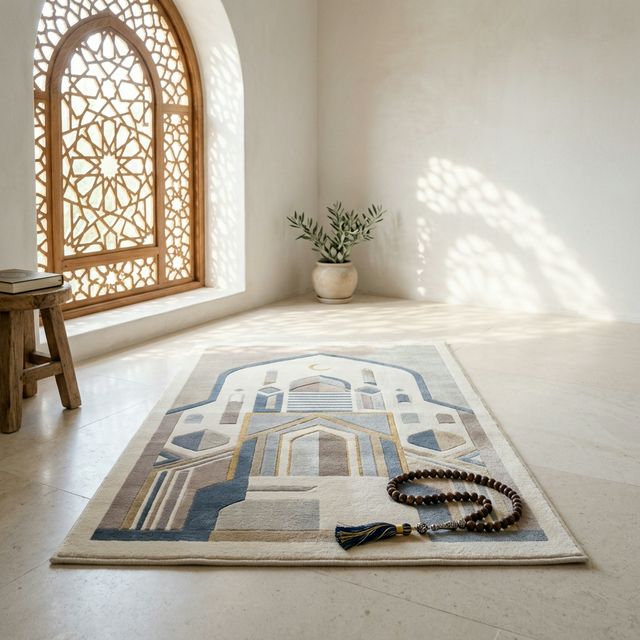
Prayer (Salah): The Ascension of the Soul and Peace of the Heart
Salah is the most important and sacred act of worship in a Muslim's life. Meaning "to pray, to supplicate," Salah is the most direct and sincere bond between a servant and their Lord. The Prophet (pbuh) emphasized its central role by saying, "Prayer is the pillar of religion."
Spiritual and Psychological Benefits of Salah
Stepping away from worldly affairs and standing before Allah five times a day is a unique opportunity for the soul to rest and refresh.
Salah: A Shield Against Evil
The Holy Quran states, "Indeed, prayer prohibits immorality and wrongdoing" (Al-Ankabut, 45). Salah performed consciously develops a self-control mechanism in the servant's heart. A believer who remembers that Allah sees them at every moment feels ashamed to commit sins.
Importance of Congregational Prayer
Islam values social solidarity as much as individual development. Prayers performed in congregation strengthen the bonds of brotherhood among Muslims, eliminating distinctions between rich and poor, ruler and ruled, as they stand shoulder to shoulder.
Surahs Recited in Salah and Their Meanings
Every verse recited and every movement made during Salah has a meaning. In the standing position (Qiyam), we live the greatness of Allah; in the bowing position (Rukū), our helplessness; and in prostration (Sajdah), our closest moment to Him. Surah Al-Fatihah is a promise of loyalty we give to our Lord in every unit (Rak'ah).
To deepen your spirituality, you can access the interpretations of the surahs you recite in prayer and listen to their correct pronunciations via the Quran Portal.